Navigating IT Compliance: What Every Business Needs to Know
Understanding IT Compliance
In today's digital landscape, IT compliance has become a cornerstone of business operations. It ensures that companies adhere to legal, security, and industry-specific standards. Failing to comply can lead to severe penalties, reputational damage, and operational disruptions. Therefore, it’s crucial for businesses to understand the fundamentals of IT compliance and how it can impact their operations.

Why IT Compliance Matters
IT compliance is essential for safeguarding sensitive data and maintaining the trust of customers and partners. With increasing cyber threats and stringent regulations, businesses must ensure they are compliant to prevent data breaches and financial losses. Adhering to compliance standards can also offer a competitive advantage by enhancing a company’s reputation and demonstrating a commitment to ethical practices.
Regulatory Frameworks
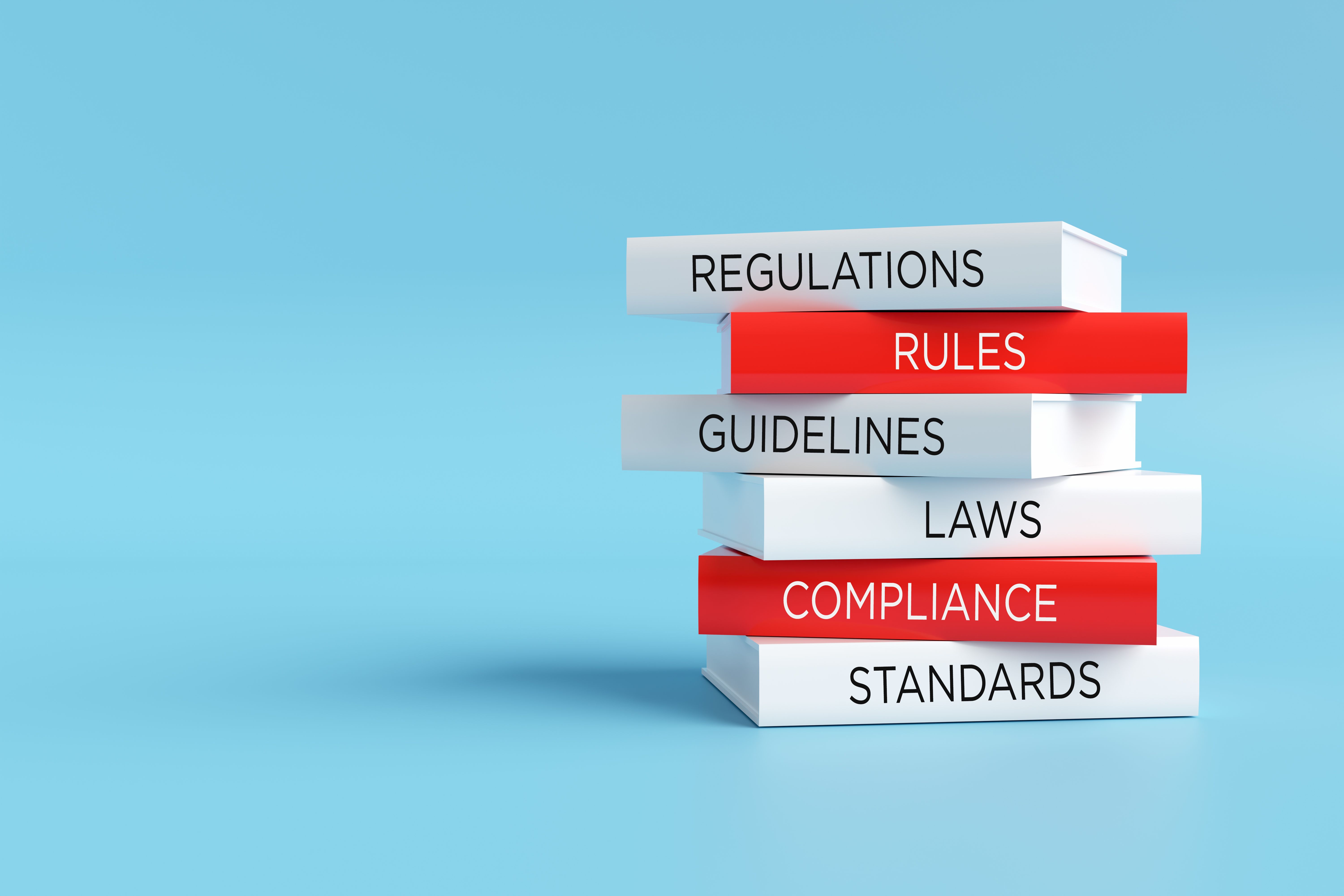
Various regulatory frameworks govern IT compliance, each with specific requirements. Notable regulations include the General Data Protection Regulation (GDPR), Health Insurance Portability and Accountability Act (HIPAA), and the Sarbanes-Oxley Act (SOX). Understanding which regulations apply to your business is the first step in developing a robust compliance strategy.
Steps to Achieve IT Compliance
Achieving IT compliance involves a series of strategic actions. Here’s a step-by-step guide to help businesses navigate the process:
- Identify applicable regulations and standards.
- Conduct a thorough risk assessment.
- Develop and implement compliance policies and procedures.
- Train employees on compliance requirements and best practices.
- Regularly audit and update compliance measures.
Role of Technology in Compliance
Technology plays a pivotal role in achieving and maintaining IT compliance. Automated tools and software can simplify the process by providing real-time monitoring, reporting, and alerts. These tools help businesses identify potential compliance issues before they become significant problems, ensuring continuous adherence to regulations.
Common Compliance Challenges
While IT compliance is critical, businesses often face several challenges. These include understanding complex legal requirements, managing vast amounts of data, and keeping up with rapidly changing regulations. Overcoming these challenges requires a proactive approach and a dedicated compliance team to ensure that all areas of the business align with regulatory standards.
The Importance of Continuous Improvement
IT compliance is not a one-time task but an ongoing process. Businesses must regularly review and update their compliance strategies to adapt to new regulations and technological advancements. Continuous improvement ensures that compliance measures remain effective and relevant, reducing the risk of non-compliance.
In conclusion, navigating IT compliance is a critical component of modern business operations. By understanding the importance of compliance, leveraging technology, and addressing common challenges, businesses can protect themselves from potential risks and foster trust among their stakeholders.