Top Cybersecurity Trends Every Business Should Know
The Rise of AI in Cybersecurity
Artificial Intelligence (AI) is becoming a cornerstone of modern cybersecurity strategies. By automating threat detection and response, AI helps in identifying patterns and anomalies that might be missed by human analysts. Businesses can leverage AI to enhance their security infrastructure, making it more robust against sophisticated cyber threats.

AI-Driven Threat Detection
AI-driven threat detection systems analyze vast amounts of data at incredible speeds. These systems can identify potential threats in real-time, allowing businesses to respond swiftly. Implementing AI in cybersecurity not only saves time but also increases the accuracy of threat identification.
Zero Trust Security Models
The Zero Trust model is gaining traction as businesses seek more secure ways to protect their data. This approach operates on the principle of "never trust, always verify," meaning that no one, whether inside or outside the network, is trusted by default. This comprehensive security model ensures that every access request is thoroughly vetted.
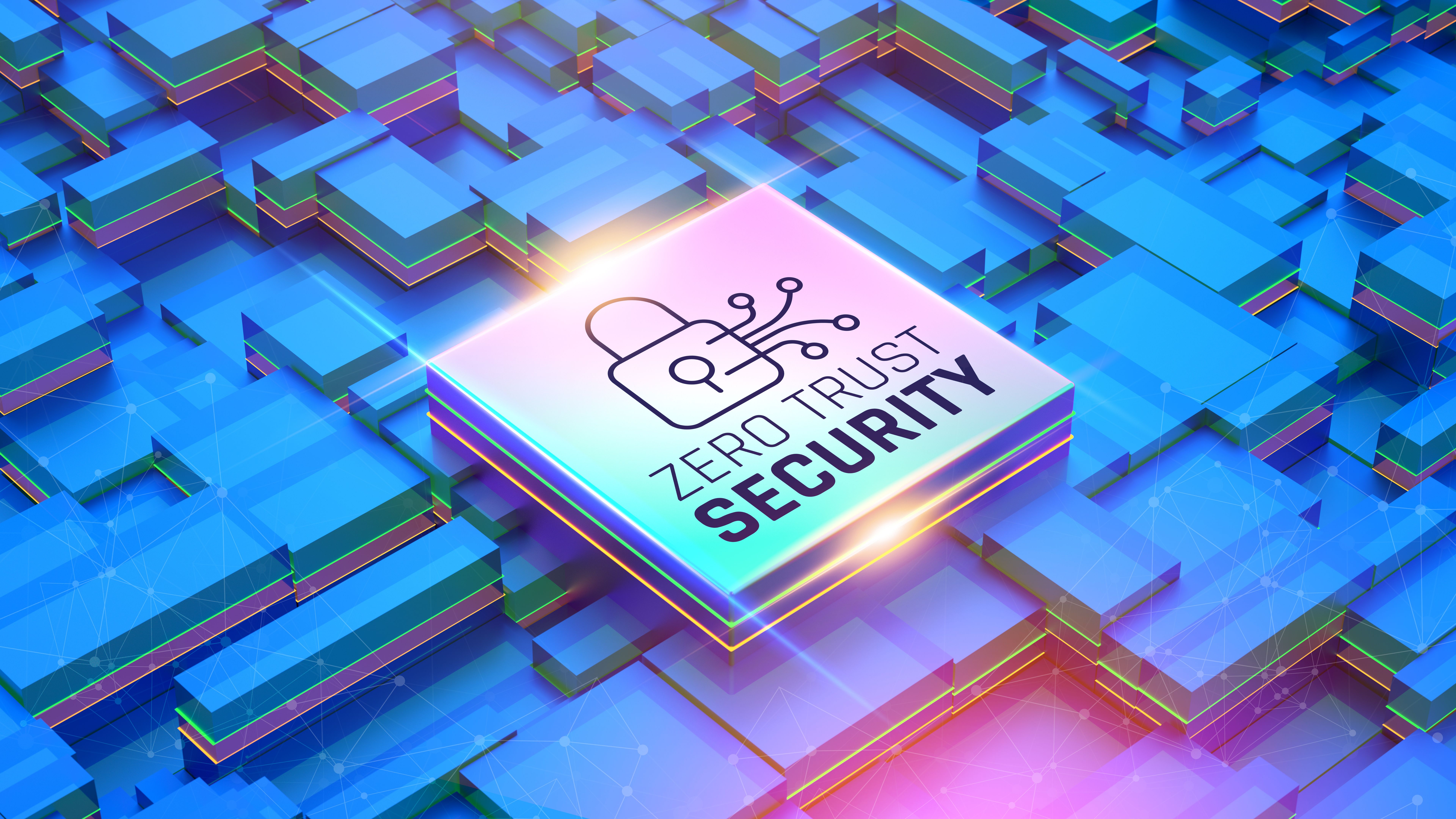
Implementing Zero Trust
Adopting a Zero Trust model involves segmenting your network and using strict identity verification processes. Businesses need to ensure that access to sensitive information is limited to only those who absolutely need it. This minimizes the risks of internal threats and data breaches.
Cloud Security Challenges
As more businesses move to cloud-based services, the need for effective cloud security becomes paramount. The dynamic nature of cloud environments can introduce new vulnerabilities, making it essential for businesses to stay ahead of potential threats.

Securing Cloud Environments
Securing cloud environments involves adopting a multi-layered security approach. This includes data encryption, regular security audits, and continuous monitoring. Businesses should also ensure that their cloud providers adhere to the latest security standards and practices.
The Importance of Cyber Hygiene
Cyber hygiene refers to the routine practices that ensure the safety of your networks and data. This includes regular software updates, password management, and employee training. Maintaining good cyber hygiene is crucial in preventing cyber attacks and minimizing risks.

Best Practices for Cyber Hygiene
- Regularly update software and systems to patch vulnerabilities.
- Implement strong password policies and encourage the use of multi-factor authentication.
- Conduct regular cybersecurity training for employees.
Remote Work and Cybersecurity
The shift to remote work has introduced new cybersecurity challenges. Businesses must adapt their security strategies to protect remote workers and ensure the safety of their data. This involves securing remote connections and providing employees with the tools they need to work securely from anywhere.

Protecting Remote Workers
To protect remote workers, businesses should implement Virtual Private Networks (VPNs) and secure communication tools. Additionally, regular security training should be provided to educate employees on the best practices for working securely outside the traditional office environment.